Global Trade
How to Find Buyers for Export: A Practical Guide
Sep 29, 2026
Global Trade
Find reliable B2B trade leads and learn how to start finding buyers with trade data, market research, and AI-assisted outreach.
June 1, 2025By Davos Pham6 min readView as Markdown

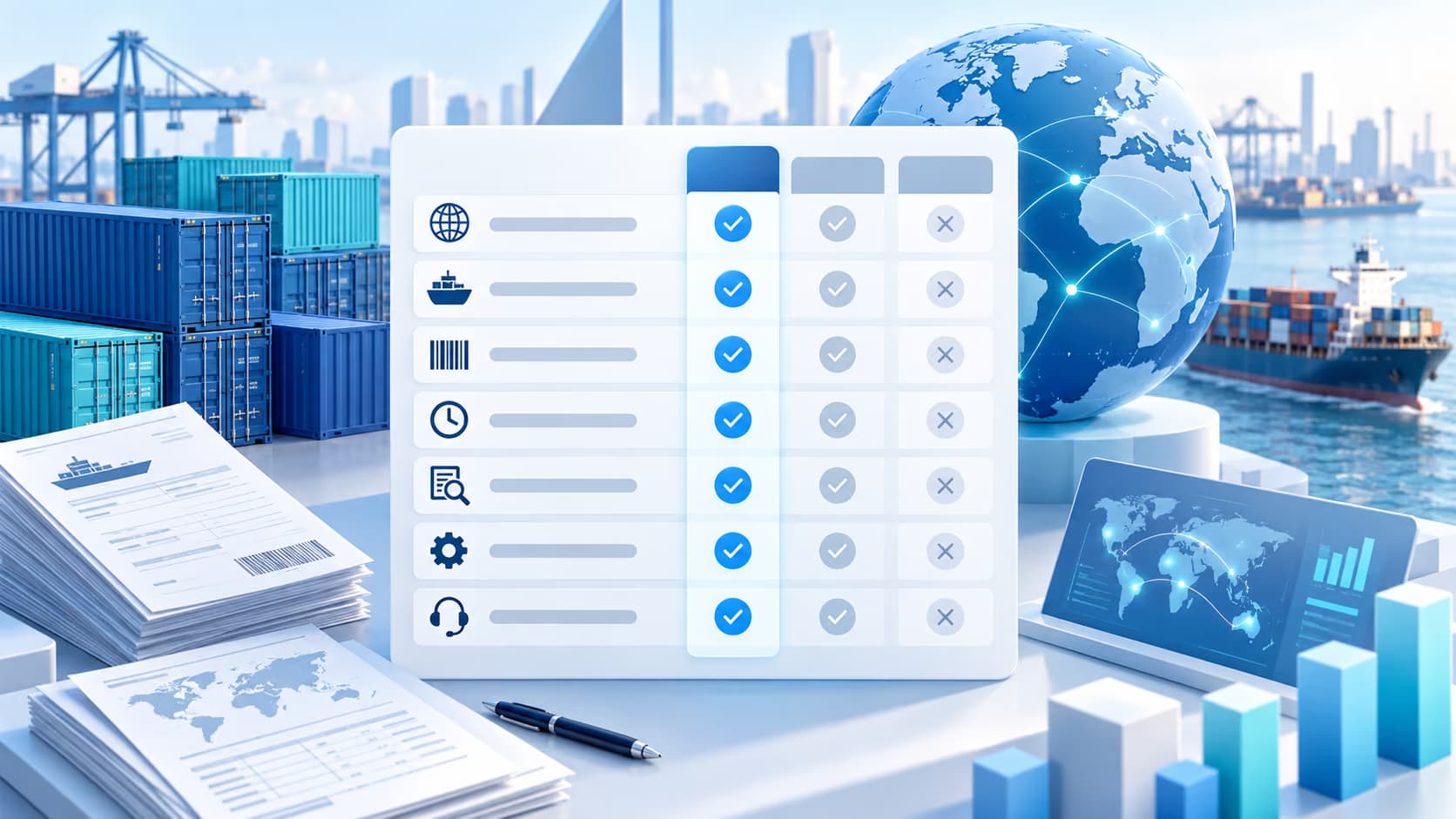
In the competitive landscape of international trade, finding reliable B2B trade leads is essential for business growth. Exporters need a strategic and data-driven approach to identify and connect with potential buyers. This article explores the best sources for finding trade leads and how AI-driven tools like EximAgent can optimize lead generation.
B2B marketplaces are an excellent starting point for exporters looking to connect with buyers worldwide. Some of the most popular platforms include Alibaba, the largest global B2B marketplace that connects suppliers with buyers across multiple industries. Global Sources is another key platform, focusing on verified suppliers and quality products, often used by buyers looking for reliable manufacturers. TradeIndia, an India-based platform, serves as a bridge between exporters and both domestic and international buyers.
LinkedIn Sales Navigator is a premium tool that helps exporters find potential buyers using advanced search filters and AI-driven recommendations. Engaging in industry forums, LinkedIn groups, and trade-specific communities can also help exporters identify and build relationships with potential buyers.
Attending virtual and in-person trade shows provides opportunities to network and establish relationships with buyers. Many trade shows offer digital directories where businesses can access exhibitor lists and potential buyers. Chambers of commerce and trade associations also play a vital role by providing exporter directories and business matchmaking services.
EximAgent leverages AI to analyze market trends, customer data, and emerging opportunities. Through machine learning and predictive analytics, exporters can identify high-potential buyers and optimize outreach efforts.
trade data vs company databases like EximAgent analyze massive datasets from trade databases, industry reports, and customer behavior to identify high-demand markets. Exporters can assess market demand and competition while identifying emerging trends and potential opportunities.
AI helps categorize potential customers based on industry type, company size, and revenue. Buying behavior analysis tracks purchasing patterns and engagement levels to prioritize high-value leads. Geographic preferences are also taken into account, allowing AI to analyze demand from different regions and suggest the best export destinations.
Lead scoring involves ranking potential buyers based on their likelihood to convert. AI analyzes historical data, engagement levels, and buyer intent signals to assign a score to each lead, enabling exporters to prioritize outreach efforts efficiently.
AI streamlines communication through automated email campaigns, generating personalized email sequences to engage potential buyers. Chatbots and virtual assistants handle initial inquiries, provide product details, and schedule follow-ups automatically.
Leveraging a data-driven approach is crucial for exporters seeking high-quality B2B trade leads. By utilizing B2B marketplaces, professional networks, trade events, and AI-powered tools like EximAgent, exporters can identify, engage, and convert potential buyers efficiently. AI-driven customer insights and automation enhance the lead generation process, allowing exporters to stay ahead in the competitive global market.
Ready to start finding buyers? Explore EximAgent's buyer discovery workflow at Find qualified buyers with EximAgent.
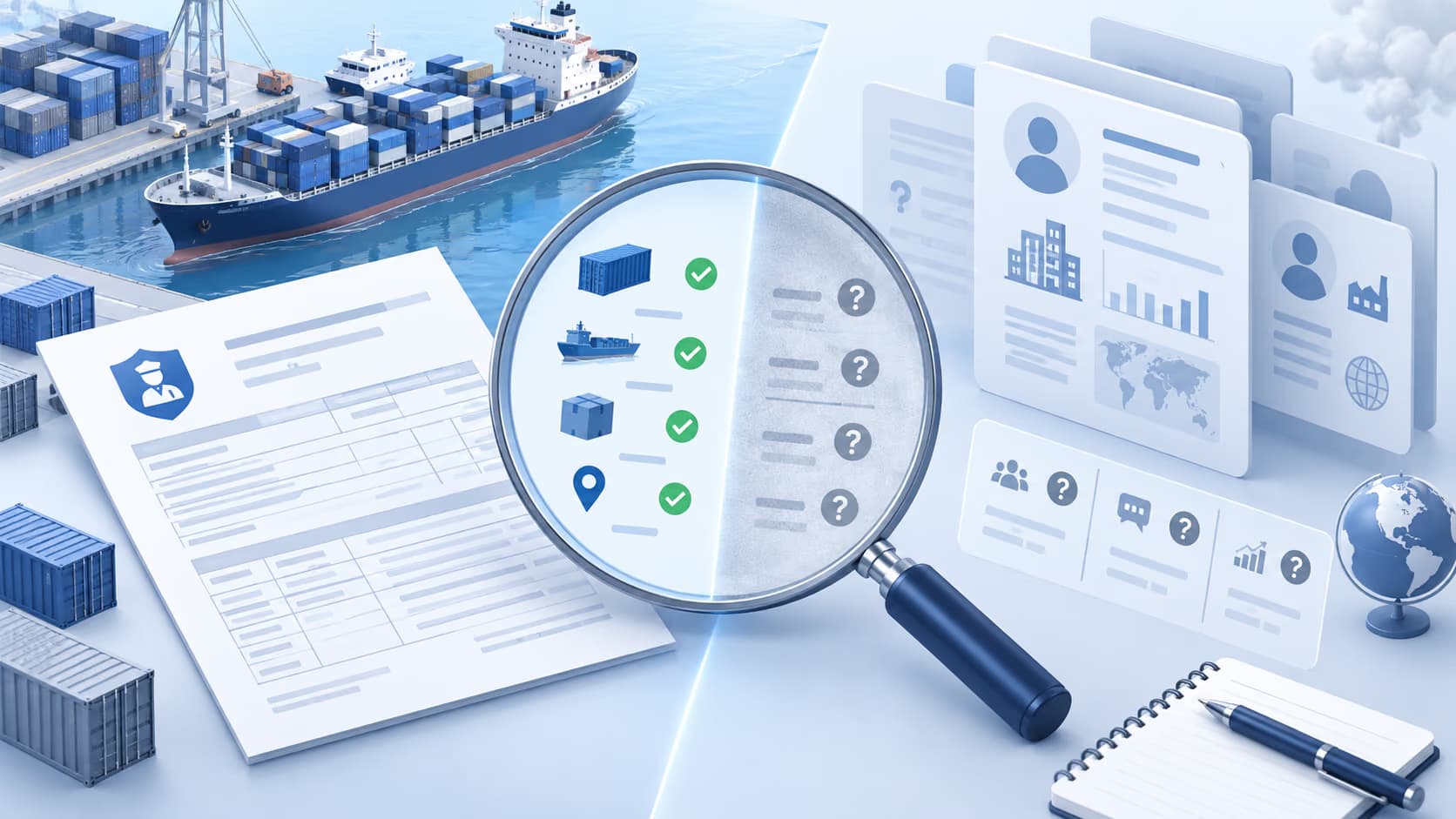
A qualified B2B trade lead is more than a company name in a directory. It is a business that matches your product, geography, commercial capacity, and buying context. The strongest lead records combine a clear product fit with evidence that the company is active in the market. That evidence can include recent shipments, repeat purchases, a current website, a stable operating location, and a reachable decision maker. Defining these criteria before research keeps the sales team focused on opportunities that can actually convert.
Start with product and HS-code fit. Product descriptions vary by country, so map the goods you sell to the relevant Harmonized System code and several commercial synonyms. The World Customs Organization explains the HS as the common classification system used to identify traded products; using the same classification language makes research more consistent across markets. When a search is too broad, narrow it by grade, packaging, destination, shipment date, or importer type.
Shipment and customs records can reveal demand that a generic buyer list cannot. Look for importers that have purchased comparable products recently, then compare frequency, origin countries, ports, and supplier changes. Repeated activity suggests an operating business rather than an inactive listing. Exporters can also review our guide to find importers with shipment evidence when they need a repeatable research process.
Marketplace and network signals add context to transaction data. A marketplace profile may show the product range, certifications, minimum order size, and preferred contact channel. LinkedIn and trade associations can help identify procurement, sourcing, or category managers. Treat these sources as validation layers: a public profile should support the transaction evidence, not replace it.
Before outreach, score each lead on four dimensions: product fit, recency, market potential, and contactability. Product fit asks whether the company buys the exact grade or a close substitute. Recency asks whether the activity is current enough for your sales cycle. Market potential considers volume, destination growth, and the buyer’s ability to place repeat orders. Contactability checks whether a verified company website and decision-maker path exist. A simple 1-to-5 score makes prioritization transparent.
AI can accelerate this workflow when it is used to organize evidence rather than invent certainty. A useful system groups similar companies, detects repeated buying patterns, identifies unusual gaps, and highlights the signals that changed a lead score. It can also normalize company names, remove duplicate records, and separate manufacturers, distributors, brokers, and end users. Human review remains essential for ambiguous descriptions, affiliated entities, and markets with incomplete reporting.
Personalized outreach should reflect the reason a company was selected. Mention the product and corridor that match its activity, explain the commercial value in one sentence, and offer a small next step such as a sample, specification sheet, or fifteen-minute call. Avoid sending the same generic message to every record. Keep a source note for each lead so the recipient can understand why the conversation is relevant and the team can update the account after every response.
A repeatable weekly process is simple: define the product and target market, collect a focused lead set, verify company identity, score the records, enrich the best contacts, send a tailored sequence, and record outcomes. Review the scores after replies, bounced emails, or disqualification. This feedback loop improves future searches and prevents the database from filling with stale or duplicate prospects.
Common mistakes include treating every directory entry as a buyer, relying on one data source, ignoring HS-code variations, and contacting a company without checking its current market. Another mistake is measuring success by the number of names collected instead of qualified conversations created. A smaller list with strong evidence usually produces better response rates and cleaner pipeline reporting.
How do I find B2B trade leads? Combine shipment or customs evidence with marketplace research, professional networks, and company verification. Start with one product and one corridor, then expand only after the first lead set has been reviewed.
Are trade leads the same as buyer lists? No. A buyer list is usually a static collection of names. A trade lead includes a reason to contact the company, evidence of fit, a current status, and a next action. The difference is what makes the lead useful for outreach and measurable in a sales process.
For a broader playbook, compare our guide on how to find buyers for export with the export buyer shortlist workflow. These resources show how to move from a broad market question to a prioritized account list and a measurable outreach plan.
Enter your email to receive the latest trade insights, guides, and HS-code explainers from EximAgent Blog.