Global Trade
How to Find Buyers for Export: A Practical Guide
Sep 29, 2026
Technology
Master sales pipelines with our ultimate guide. AI upgrades, and data-driven sales analysis for better forecasting and conversions.
March 31, 2026Last updated October 11, 2026By Davos Pham4 min readView as Markdown

In the complex landscape of international trade, a sales pipeline is no longer just a tracking list; it is your strategic roadmap. It tracks every potential customer’s journey from initial discovery to a closed deal. For export-import teams, EximAgent works as an AI sales team: three agents that find buyers from customs shipment records, read trade data and check compliance. This guide explains the pipeline stages and where each agent fits.

In the context of international trade, a pipeline is a structured representation of your sales process. It spans from identifying a company with a high demand for your product (verified via bill of lading data) to finalizing a foreign trade contract. A structured pipeline ensures that your sales team knows exactly where each of the hundreds of potential partners stands, eliminating "gut-feeling" management.
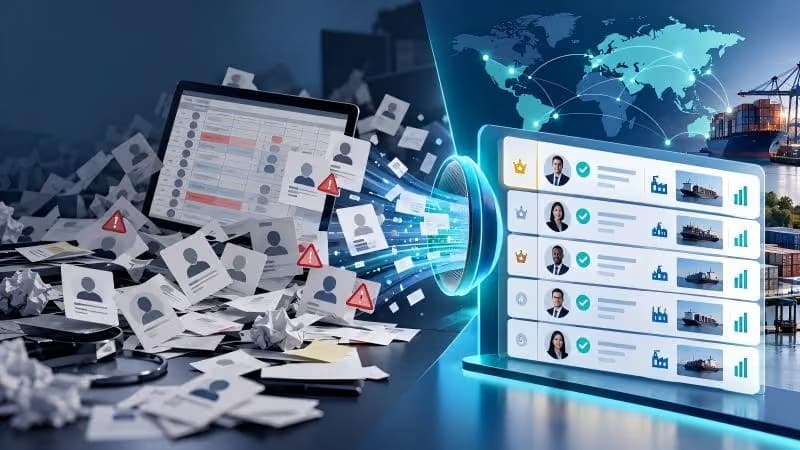
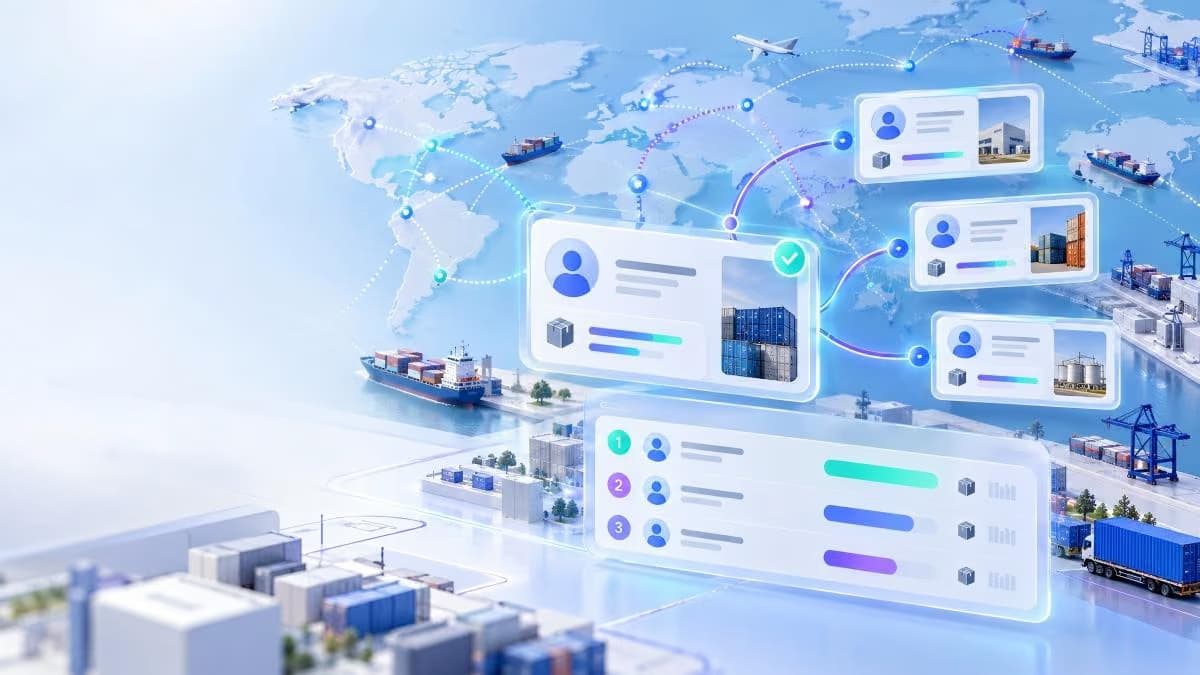
This is the most resource-intensive phase. Starting from your product and target market, EximAgent's Outbound agent finds and researches importers from customs shipment records, so you start from companies with recorded activity rather than an outdated web directory.
Not every lead is worth chasing. Outbound builds a company profile for each candidate, and the Analyst agent reads market demand, buyer concentration and price direction, so you can filter out weak fits before any outreach.
Language barriers and generic outreach often lead to low reply rates. Outbound finds decision-maker contacts and drafts a personalized email for each one from the prospect's profile and your unique selling propositions (USPs).
Clarity and speed are vital at this stage. Keep proposals consistent with your brand while tailoring product specs and pricing to each prospect. The company and product profile you give the agents keeps every draft on message.

So, you've got your sales pipeline set up. That's great! But just having one isn't enough. You've got to keep it in good shape, like tending to a garden. If you don't, things can get messy, and deals can get lost.
A pipeline needs regular maintenance. Review stagnant leads, for example contacts with no response over a long period, and remove or re-research them so the pipeline stays focused on accounts with real potential.
Finds and researches importers from customs shipment records, builds company profiles, finds decision-maker contacts and drafts personalized outreach.
Reads market demand, buyer concentration and price direction.
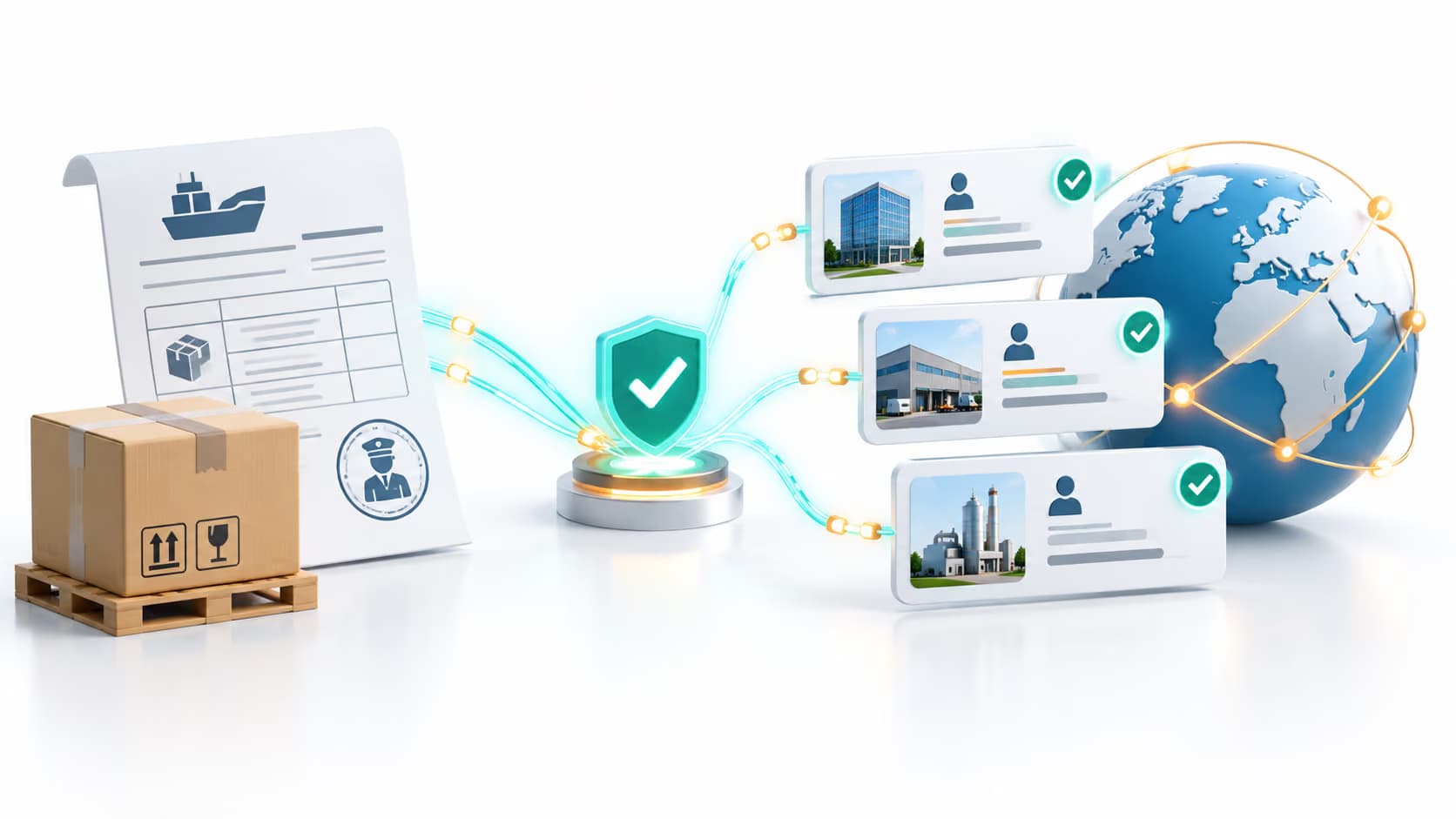
Suggests HS codes, looks up tariffs and screens names against the OFAC SDN list (advisory).
Analyst's findings can give Outbound its starting context.
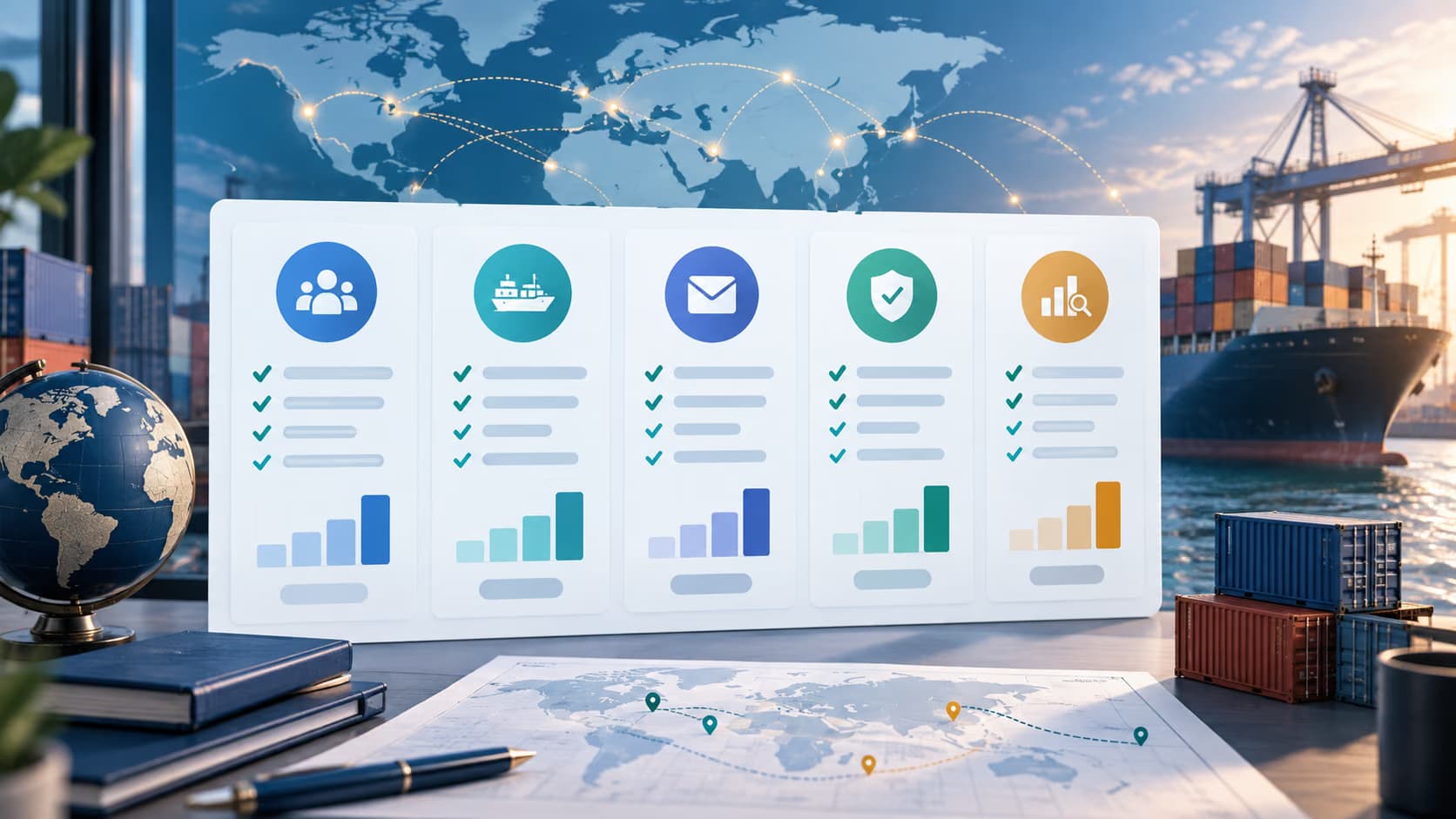
Building and refining a sales pipeline is no longer just about tracking; it is about evidence. With an AI sales team (Outbound, Analyst and Compliance), export-import teams can spend less time on manual research and more time on qualified conversations.
A practical order:
By following this structure, your team works from evidence at every stage, from the first search to the first reply.
Related guides: how to find buyers for export, find importers by hs code, export buyers list.
Build your pipeline from real importers. Tell Outbound your product and target market, and start the first stage of the pipeline with companies that have recorded shipments. Start free (free plan, no card).
It starts from customs shipment records, which show companies with recorded imports of your product, rather than a list of companies that exist on paper. Shipment records are historical evidence, so qualify each company before outreach.
No. You enter your company, products and USP so the agents have a foundation to work from.
No. Outbound drafts outreach.
EximAgent Research writes practical guides on finding buyers, reading trade data and checking HS codes, tariffs and sanctions.
Enter your email to receive the latest trade insights, guides, and HS-code explainers from EximAgent Blog.