Export Import
How to Calculate Import Duty Using an HS Code
Jul 24, 2026
Export Import
Negotiate import-export deals on landed cost: check the HS code, duty and Incoterm first, then agree payment terms, allocate risk and screen the buyer.
June 10, 2026Last updated October 11, 2026By Juno, EximAgent Research6 min readView as Markdown
Good import-export negotiations start before the first call, with a clear landed cost: the product's HS code, the duty it attracts, the Incoterm that decides who pays for what, and the payment terms that decide who carries the risk. Get those right and price talks become a discussion about real numbers. Get them wrong and you can win the price and still lose money on the deal.
This guide covers the groundwork, the contract clauses that allocate risk, and how to handle partners across cultures.
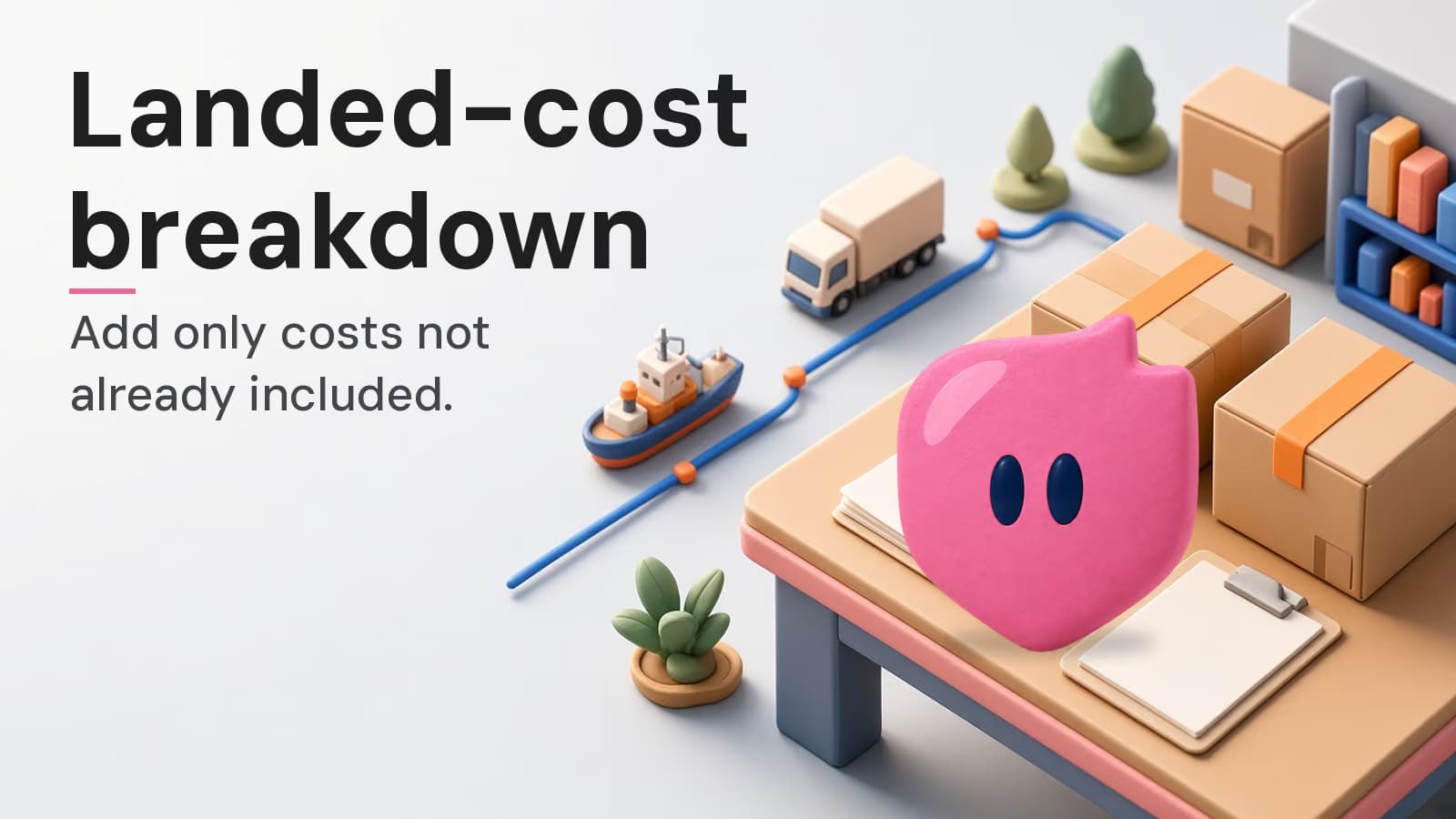
Landed cost is what the goods really cost once they reach the buyer's door (or yours, if you're importing): product price, freight, insurance, duties and taxes, and handling. Work it out for each scenario you might agree to.
US duty caveat: if the goods are going to the United States, the general (MFN) rate in the Harmonized Tariff Schedule may not be the full duty. Additional duties, such as Section 301 tariffs listed in HTS Chapter 99, may apply depending on the product and origin. Check the current HTS or a licensed customs broker before you quote.
If you'd like a quick first estimate, check the HS code and duty for your product.
Before you invest time in a negotiation, confirm the other side is who they say they are: legal registration, trading history, and a sanctions check. For US-related deals, the OFAC sanctions list search is the official starting point. Screening results are advisory; a possible match should go to a compliance specialist.
Run three steps before first contact:
A sound foreign trade contract pins these down without ambiguity:
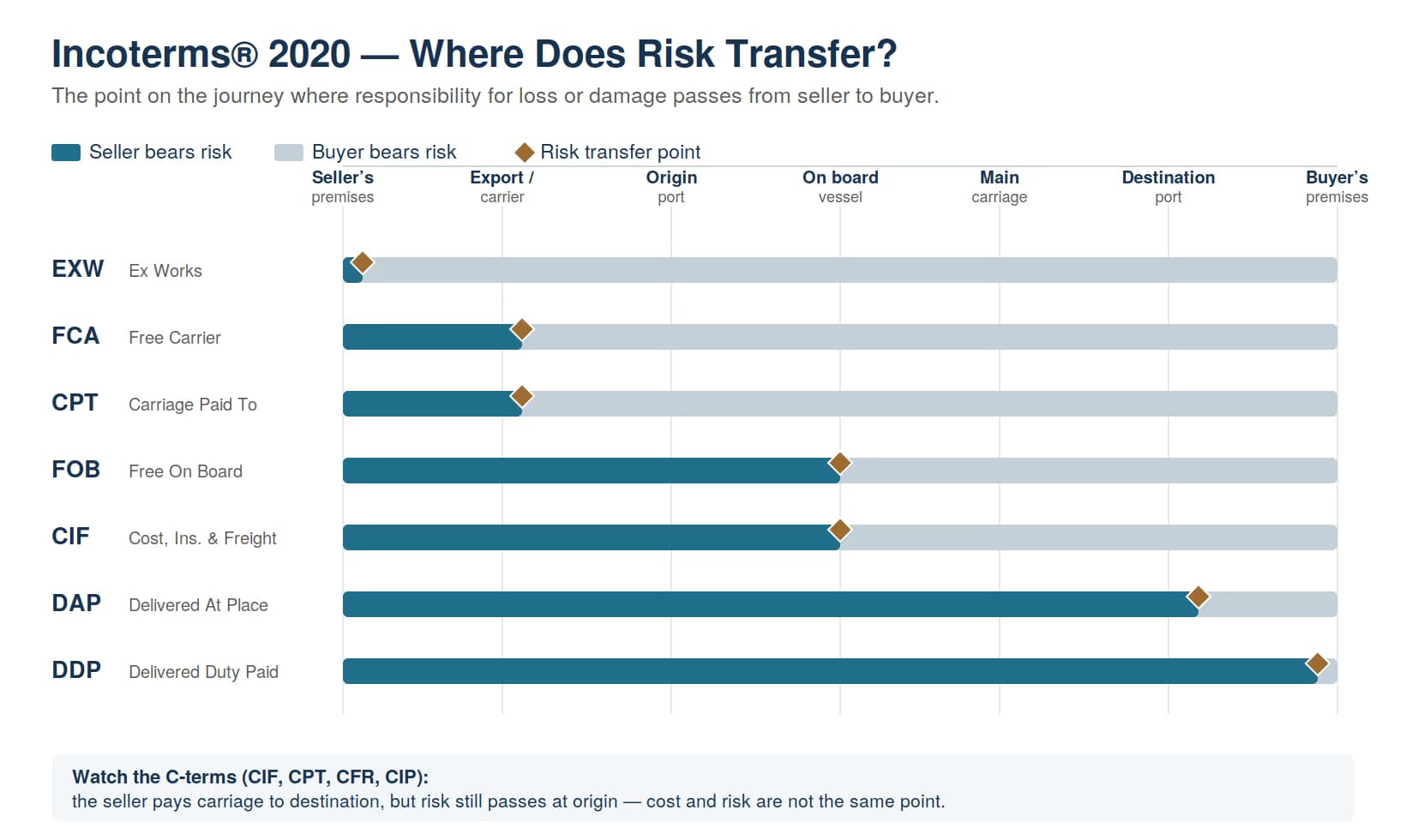
Incoterms 2020: where risk passes from seller to buyer
A seller quotes CIF to a European port, assuming that because they pay for freight and insurance, they carry the risk until arrival. Under CIF, though, risk passes to the buyer once the goods are on board the vessel at origin, even though the seller pays for the main carriage and minimum insurance. If cargo is damaged at sea, the buyer claims on the insurance. Many disputes like this come from both sides assuming different meanings. Name the rule and the insurance cover explicitly.
A letter of credit is conditional. The bank pays when the documents you present match the credit's terms. Small discrepancies, such as a misspelled name, a date outside the shipment window or an invoice description that doesn't match the credit word for word, can delay payment and hand the decision back to the buyer. Treat document checking as part of the deal, not back-office paperwork.
Every day goods sit at a port past their free time can add demurrage and detention charges, so build buffers into your schedule and contract.
These are broad tendencies, not rules for every person:
Market | Negotiation style | What builds trust | Mistake to avoid |
|---|---|---|---|
Japan | Formal, consensus-driven | Precision, courtesy, patience | Rushing the decision |
United States | Direct, fast | Clarity, hitting commitments | Vague terms |
China | Relationship-first | Rapport before hard bargaining | Opening with hard price demands |
Three habits travel everywhere: communicate precisely in writing, keep every promise on delivery and payment, and flag problems before the other side finds them. If you're selling into non-English markets, see language barriers in export sales.
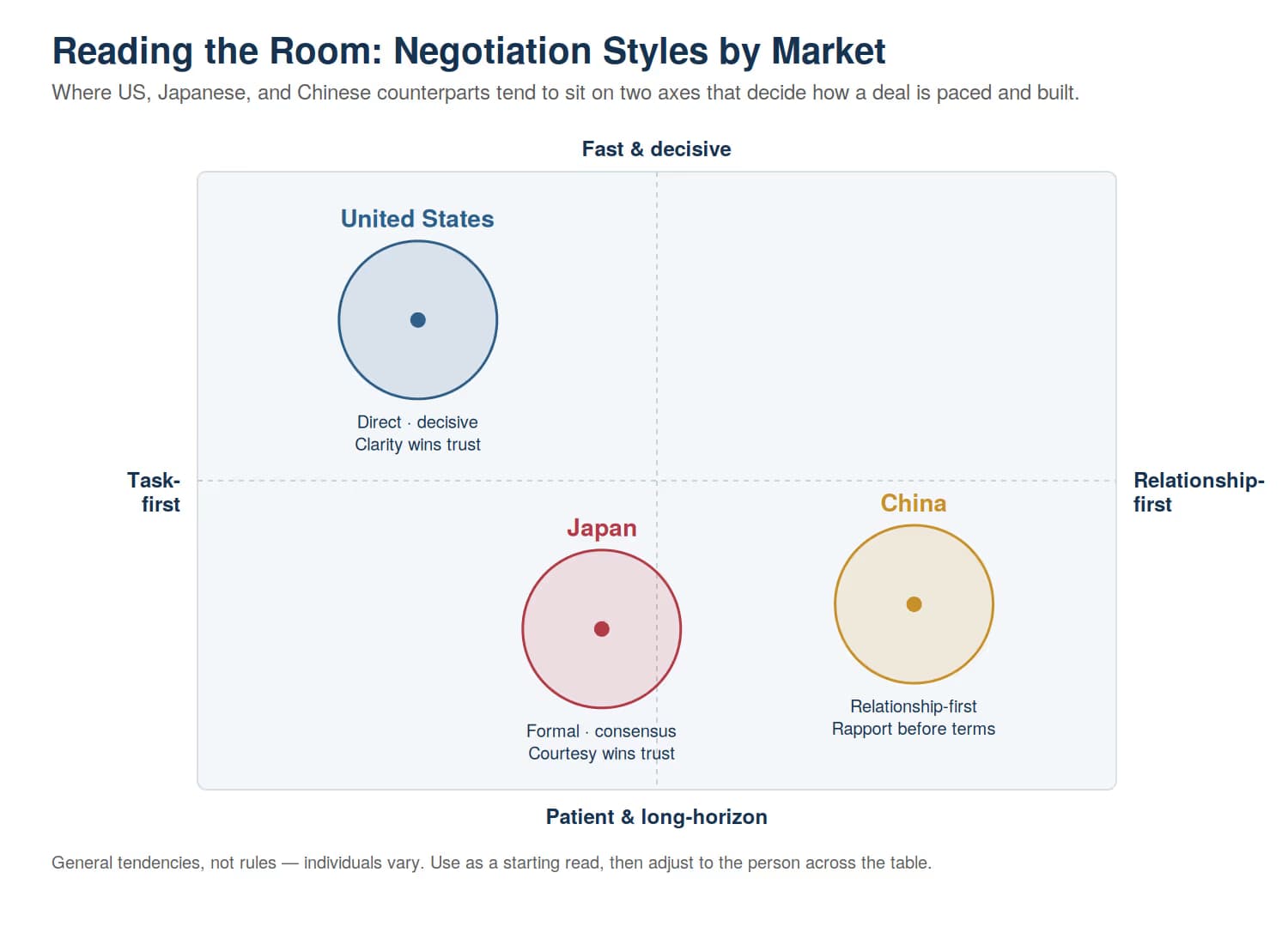
Negotiation styles by market: general tendencies, not rules
What should I prepare before an import-export negotiation?
The HS code, the duty in the destination market, a landed-cost estimate for each Incoterm you might accept, your walk-away price and a basic check on the counterparty.
Is FOB or CIF better for the seller?
Neither is always better. Under both, risk passes at origin once goods are on board. CIF adds the seller's responsibility for freight and minimum insurance. Choose based on who can manage freight better and what insurance cover the contract specifies.
Why do letters of credit get refused?
Because banks check documents against the exact wording of the credit. Small discrepancies in names, dates or descriptions are the usual cause.
Go into your next negotiation with the numbers. Ask Compliance for the HS code, duty and landed cost of your product before the call. Start free (free plan, no card).
EximAgent Research writes practical guides on finding buyers, reading trade data and checking HS codes, tariffs and sanctions.
Enter your email to receive the latest trade insights, guides, and HS-code explainers from EximAgent Blog.