Logistics
What Is FCA Incoterms? A Detailed Guide for Exporters
Aug 16, 2026
Logistics
Understand “customs clearance completed,” distinguish export from import clearance, check the next delivery step and know when to contact your carrier.
December 7, 2025Last updated October 19, 2026By Davos Pham9 min readView as Markdown
“Customs clearance completed” generally means that the shipment has cleared the customs stage shown in your carrier’s tracking. It does not mean the package has been delivered, is with a delivery driver, or will arrive on a fixed date. Check whether the update refers to export or import clearance, then follow the carrier’s latest delivery estimate and instructions. An export update means the shipment can leave the origin country; an import update means it can enter the destination country.
FedEx’s clearance guide, for example, identifies International Shipment Release–Import as confirmation that a shipment has cleared customs. Tracking wording varies by carrier. This guide explains that milestone, the clearance steps behind it and what to check next.
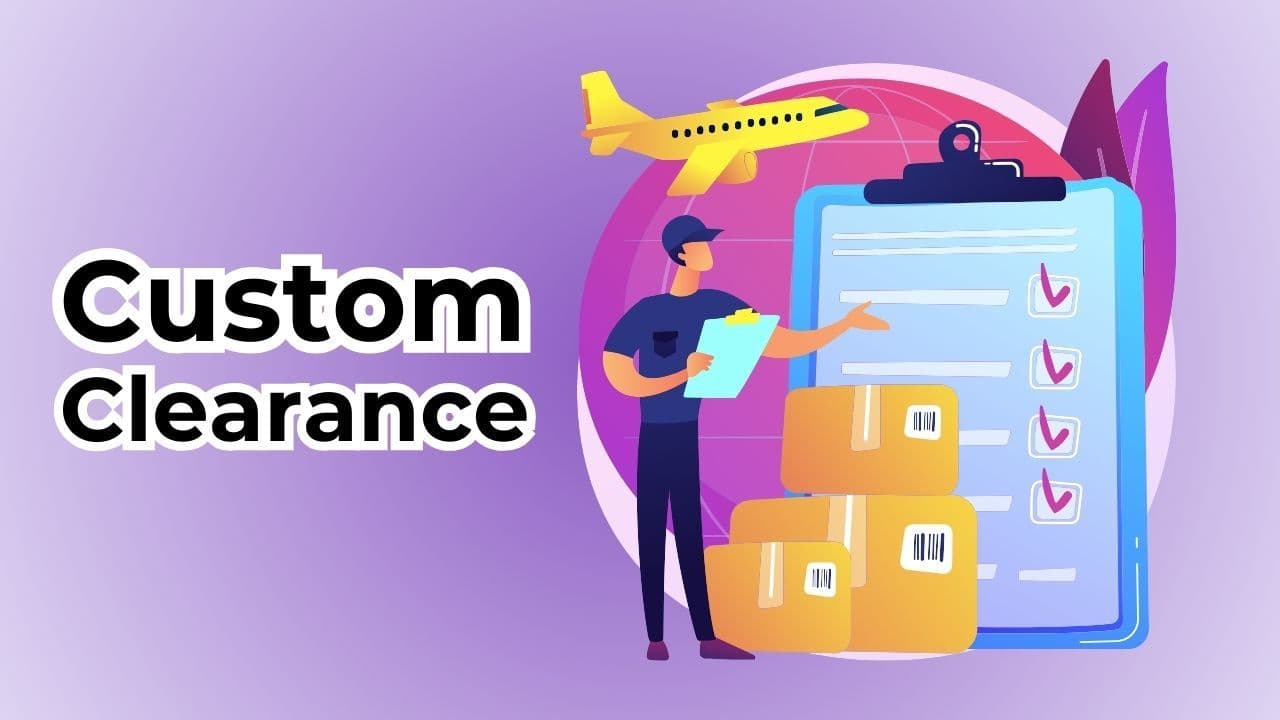
Custom Clearance – A Comprehensive Guide
This is a tracking description of a clearance milestone, not a standard certificate with identical wording across all customs authorities. Confirm the carrier, location and whether the update refers to export, transit or import clearance.
In practical terms, the indicated customs stage is complete and onward handling can proceed, subject to any other release or carrier requirements. The tracking label alone does not establish that every tax bill is settled or every post-release formality is finished.
Check these details after a completed-clearance update:
Carrier labels such as “Clearance Started” or “Clearance Delay” indicate that the relevant stage is still in progress or needs attention. Read the specific instructions; the label alone does not prove a physical inspection is taking place.
For those involved in international trade, it is crucial to understand the subtle but significant distinction between the two terms:
Aspect | Customs Clearance | Customs Cleared (Completed) |
Definition | The process of getting goods released by customs authorities. | A status indicating the relevant customs stage is complete; delivery is a separate milestone. |
Involvement | Involves active steps like document submission, tax assessment, and potential physical inspection. | The indicated release stage is complete; post-release obligations may continue. |
Status | Clearance is being processed; the shipment’s physical location depends on the procedure. | Onward handling can proceed, subject to other applicable release requirements. |
Read the location and stage in the tracking history. An export-clearance update concerns departure from the origin country and does not confirm import clearance at the destination. The applicable formalities depend on the countries and shipment:
The following is a general overview, not a universal sequence. Requirements and timing vary by country, goods and entry procedure, and not every shipment receives a physical inspection. Importers, carriers and brokers may handle different steps.
The importer, submitting party or broker prepares the information required for the destination and entry type. Some procedures allow filing before arrival. Confirm which documents are required for your shipment rather than assuming every item below is mandatory.
Payment and release arrangements depend on the country and entry procedure. Do not infer from a tracking label that every duty or fee has already been paid. CBP’s entry summary and post-release guidance describes US filing and estimated-duty obligations that can follow cargo release; confirm the arrangement for your shipment with the broker.
When the relevant customs release decision is recorded, the carrier or broker can update the shipment status. The wording and timing vary by system. For commercial freight, confirm customs release separately from terminal availability, carrier release and the pickup booking.
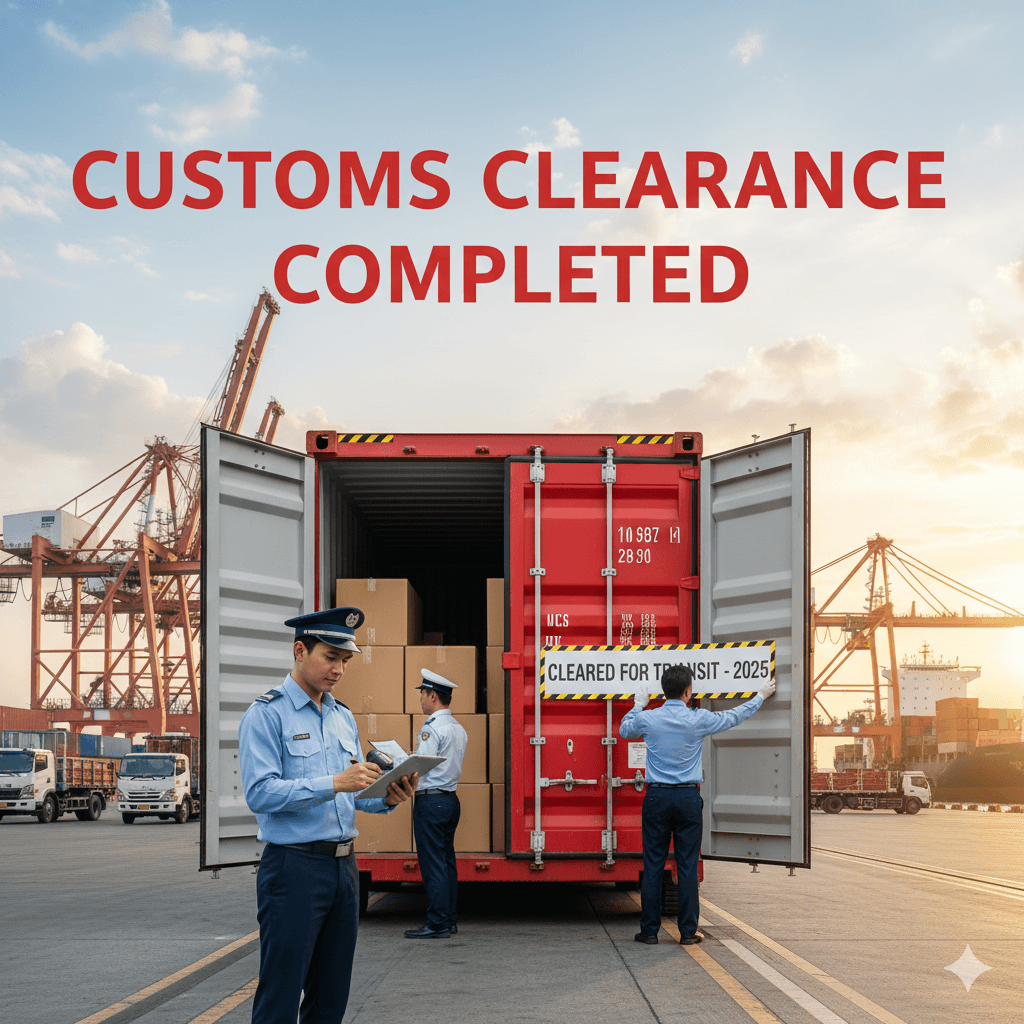
Confirm the release details with your carrier or broker.
After import clearance, the shipment may still need a carrier handoff, sorting or onward transport. A completed-clearance scan does not by itself confirm that physical movement has started.
The immediate next steps involve physical movement and administrative closure:
For importers, responsibilities continue even after the package leaves customs custody:
There is no single delivery window after clearance. Check the carrier’s current estimate for the service and destination; commercial freight may also require terminal pickup and a receiving appointment. See our guide to delivery after customs release for the next checks.
Clearance completion and final delivery are separate milestones.
A “Customs Hold” or “Clearance Delay” update can reflect missing information, payment, regulatory review or inspection. It does not by itself prove that someone made an error. Read the carrier’s instructions and ask which action, if any, is needed.
Common culprits include:
Complete documents help reduce avoidable delays; some reviews and inspections remain outside your control.
Do not use an international shipping quote as a countdown from import clearance. Check the latest carrier estimate and the stage shown in tracking. If only export clearance is complete, international transport and destination import clearance may still be ahead.
Tracking milestone | What to check next |
|---|---|
Export clearance completed | Departure from origin, international transport and destination import formalities. |
Import clearance completed | Carrier handoff, sorting, onward transport and the current delivery estimate. |
Out for Delivery (UPS) | UPS says the local facility has dispatched the shipment to a driver for final delivery; follow that carrier’s latest instructions. |
For commercial freight, also confirm terminal availability, carrier release, pickup and the receiving appointment with your forwarder or broker.
No. It refers to a customs milestone, while delivery is a separate event. Check the country and stage in tracking, then look for onward movement and the carrier’s delivery estimate.
There is no universal number of days. The remaining journey depends on the service, destination, carrier handoffs and any delivery appointment. Use the latest carrier estimate rather than a fixed countdown from the clearance scan.
The package may still need a handoff, sorting or onward transport. A scan gap alone does not establish the cause. UPS’s tracking guide explains that long-distance movements may have gaps between scans and that an exception can change the delivery date.
Yes, depending on the country and entry arrangement. Do not treat the tracking label as proof that every charge or filing is final. Ask the broker or carrier to confirm any outstanding documents, amounts and deadlines, and follow the official notice for your shipment.
Start with the carrier using your tracking number, last scan and destination. Ask what is preventing the next movement and whether any action is required from you. For commercial freight, ask the forwarder or broker to confirm customs release separately from terminal pickup and delivery scheduling.
Customs clearance is the legal process goods go through with the customs authority. Customs brokerage is a service: a licensed broker prepares or submits entry information and helps the importer with customs formalities.
Before your next shipment, check the HS code, duty and consignee in one chat. Ask Compliance, free to start. Working in Cursor, Claude Code or Codex? Add the EximAgent connector or use the CLI.
EximAgent Research writes practical guides on finding buyers, reading trade data and checking HS codes, tariffs and sanctions.
Enter your email to receive the latest trade insights, guides, and HS-code explainers from EximAgent Blog.