Global Trade
What Import Documents Are Required for Your HS Code?
Jul 25, 2026
Logistics
The EU BPA ban on food-contact materials explained: what Regulation 2024/3190 covers, key dates, affected products and what exporters must change.
March 11, 2025By Juno, EximAgent Research4 min readView as Markdown
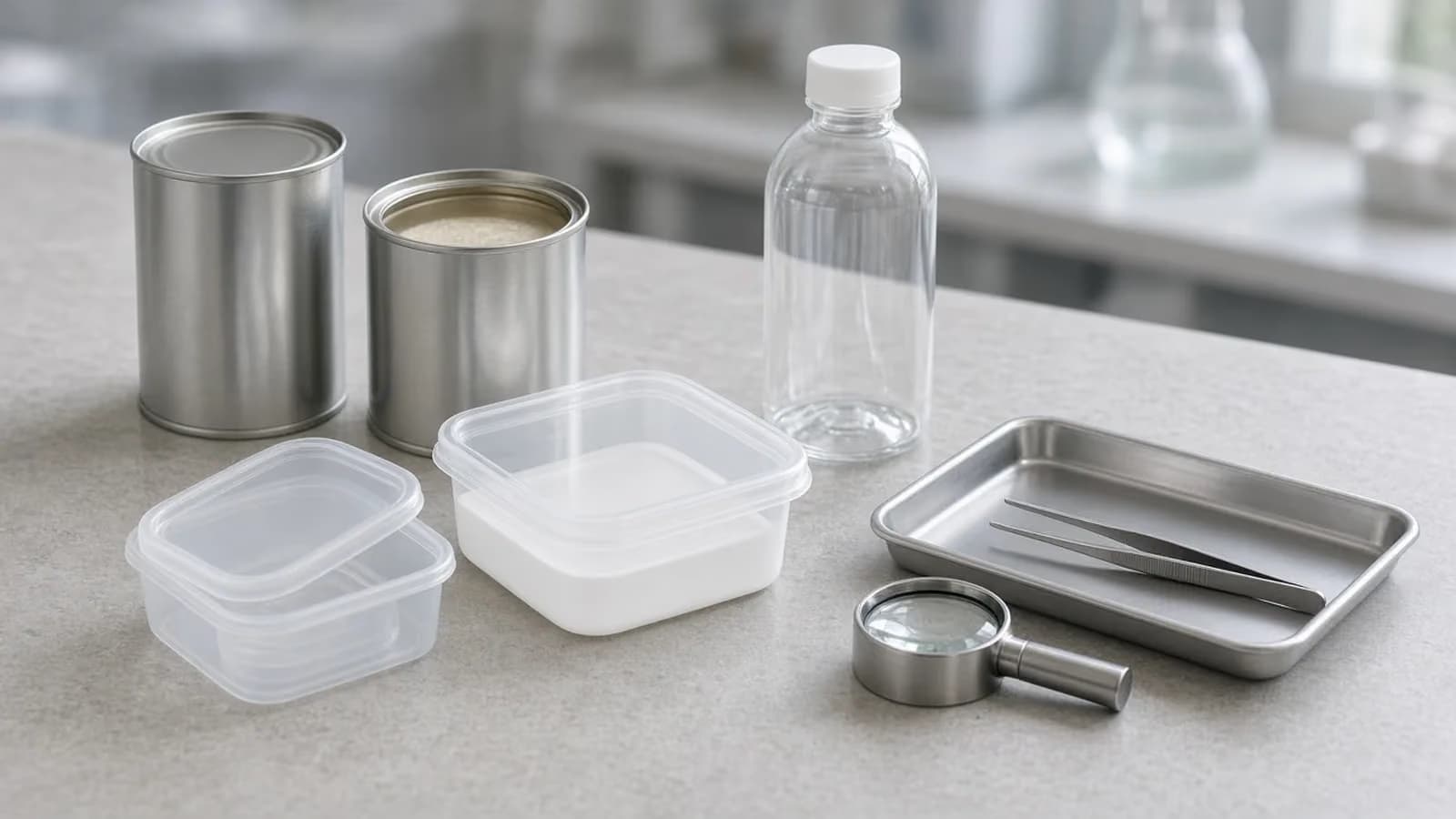
The EU has banned bisphenol A (BPA) in most materials that come into contact with food. Commission Regulation (EU) 2024/3190, adopted on 19 December 2024, prohibits using BPA, and other hazardous bisphenols, with limited exceptions listed in its Annex II, to make food-contact materials such as plastics, can coatings, adhesives and inks placed on the EU market. Most transition periods ended on 20 July 2026; a few product groups have until 20 January 2028.
If you export food packaging, packaged food or kitchenware to the EU, here's what the EU BPA ban covers and what to check.
The regulation applies to food-contact materials and articles made with BPA, including:
It also restricts other bisphenols and bisphenol derivatives classified as hazardous, so simply switching to a closely related bisphenol may not make a product compliant. Before this regulation, the EU had already banned BPA in polycarbonate infant feeding bottles (Commission Directive 2011/8/EU) and restricted it in some other uses. The new rules extend the ban to food-contact materials in general. The European Commission's food contact materials page explains the wider framework.
Read directly from the regulation and the correcting Regulation (EU) 2026/250 of 2 February 2026:
What | Deadline for first placing on the EU market |
|---|---|
Most single-use food-contact articles made with BPA (for example most cans and plastic packaging) | 20 July 2026 |
Single-use packaging for preserving fruit and vegetables (not fruit juices and similar products) or fishery products, and articles where a BPA coating is only on the exterior metal surface | 20 January 2028 |
Most repeat-use articles (for example kitchenware, food containers) | 20 July 2026 |
Certain repeat-use professional food production equipment | 20 January 2028 |
Single-use packaging first placed on the market within those periods can still be filled and sealed for 12 months afterwards, and the packaged food can then be sold until stocks run out. Repeat-use articles first placed on the market by 20 July 2026 can stay on the market until 20 July 2027; professional food production equipment first placed on the market by 20 January 2028 can stay until 20 January 2029. Check the exact wording for your product in the regulation.
The ban follows the material, not the tariff code, so you can't identify affected goods by HS code alone. Still, the codes help you find which of your products to check:
Not sure of the code? Ask Compliance for the HS code of your packaging or product. Start free (free plan, no card).
Has the EU banned BPA?
Yes, in food-contact materials. Regulation (EU) 2024/3190 prohibits BPA in the manufacture of most food-contact materials, with transition periods that mostly ended on 20 July 2026.
Does the EU BPA ban apply to imported goods?
Yes. It applies to food-contact materials placed on the EU market, whether they're made in the EU or imported.
Are other bisphenols allowed instead?
Not automatically. The regulation also covers other bisphenols and derivatives classified as hazardous, so check any substitute carefully.
When does the BPA ban apply to cans?
Most single-use cans made with BPA couldn't be first placed on the EU market after 20 July 2026. Cans for fruit, vegetables or fishery products, and cans with BPA only on the outside, have until 20 January 2028.
Check the code for your plastic packaging. Boxes, bottles, lids and other plastic packing articles sit under heading 3923; see the subheadings, notes and duty rates on the HS code page for 3923.
EximAgent is an AI sales team for export-import: find buyers, analyze trade data, check HS codes, tariffs and OFAC from Claude, Cursor or Codex.
Enter your email to receive the latest trade insights, guides, and HS-code explainers from EximAgent Blog.